

How to Use Prebiotics for Better Cat Gut Health
Last Updated: October 26, 2026
Quick Summary
Prebiotics are non-digestible fibers that feed beneficial gut bacteria, helping them grow and produce short-chain fatty acids that nourish the intestinal lining. For cat gut health, this supports better stool quality, nutrient absorption and immune support. Start with a low dose and increase only after a week of stable stools.
- Prebiotics fuel existing gut bacteria, while probiotics add live bacteria to the gut.
- Prebiotic fiber is stable in food and treats; probiotics are sensitive to heat and storage.
- FOS is the prebiotic most often added to feline therapeutic and sensitive-stomach diets.
- Overloading fiber too quickly can cause gas and loose stools, so start low.
- Do not treat persistent diarrhea, weight loss or vomiting as a prebiotic adjustment period.
Table of Contents
- Why Cat Gut Health Starts With the Microbiome
- Prebiotics vs Probiotics for Cats: What's the Difference
- 7 Benefits of Prebiotics for Cat Gut Health
- Signs of Poor Gut Health in Cats to Watch For
- Common Prebiotic Ingredients and Fiber Sources for Cats
- How to Improve Cat Digestive Health: Food, Supplements, and Safe Introduction
- Side Effects, Cautions, and What the Research Actually Shows
- Choosing a Prebiotic or Probiotic for Your Cat at Furbabies4less
- Frequently Asked Questions
Why Cat Gut Health Starts With the Microbiome
Rescue pets like our own Oz have taught us that gut health sits at the center of overall wellness. New kitten owners can set up good gut health early with our essential wellness supplies for new kittens.
A Cornell University College of Veterinary Medicine overview of the gut microbiome explains how closely intestinal flora ties to overall feline health.
What Prebiotics Actually Do Inside the Gut
Prebiotics are non-digestible fibers that feed beneficial gut bacteria, helping them grow and produce short-chain fatty acids that nourish the intestinal lining. Unlike probiotics, which add live bacteria, prebiotics fuel existing gut bacteria; fermentation in the colon produces those fatty acids, supporting digestive balance.
Prebiotics vs Probiotics for Cats: What's the Difference
| Feature | Prebiotics | Probiotics |
|---|---|---|
| What it is | Non-digestible fiber | Live beneficial bacteria |
| How it works | Feeds existing gut bacteria | Adds new bacteria to the gut |
| Stability | Stable in food and treats | Sensitive to heat and storage |
| Best for | Supporting microbiome balance | Restoring flora after upset |
| Combined form | Synbiotics pair both together | Synbiotics pair both together |
The American Veterinary Medical Association's pet nutrition resources notes that diet is the foundation of digestive health, which is why prebiotic fiber in food matters as much as any supplement.
7 Benefits of Prebiotics for Cat Gut Health
- Supports beneficial bacteria growth by feeding the strains that keep the gut balanced.
- Improves stool quality so litter-box cleanup becomes more predictable.
- Aids nutrient absorption by supporting a healthy intestinal lining.
- Strengthens immune support since a large share of immune activity begins in the gut.
- Reduces occasional digestive upset like gas and loose stools.
- Supports fiber fermentation and short-chain fatty acid production.
- Promotes steady appetite when digestion feels comfortable.
Better Stool Quality and Litter-Box Consistency
Stool consistency is the clearest daily signal of digestive health. When prebiotic fiber feeds the right bacteria, stools tend to firm up and litter-box habits become more regular, with less odor within a few weeks of consistent feeding. Lingering diarrhea or constipation can point to a deeper issue worth veterinary guidance.
Immune Support and Reduced Inflammation
A healthy gut lining acts as a barrier, and prebiotic fiber helps maintain it. A balanced gut environment keeps inflammation in check, which is one reason prebiotics show up in dietary therapy plans for cats with sensitive digestive systems.
Signs of Poor Gut Health in Cats to Watch For
- Loose stools, diarrhea, or constipation
- Frequent gas or gurgling sounds from the belly
- Reduced appetite or picky eating
- Vomiting or hairballs more often than usual
- Dull coat or low energy
- Weight loss despite normal eating
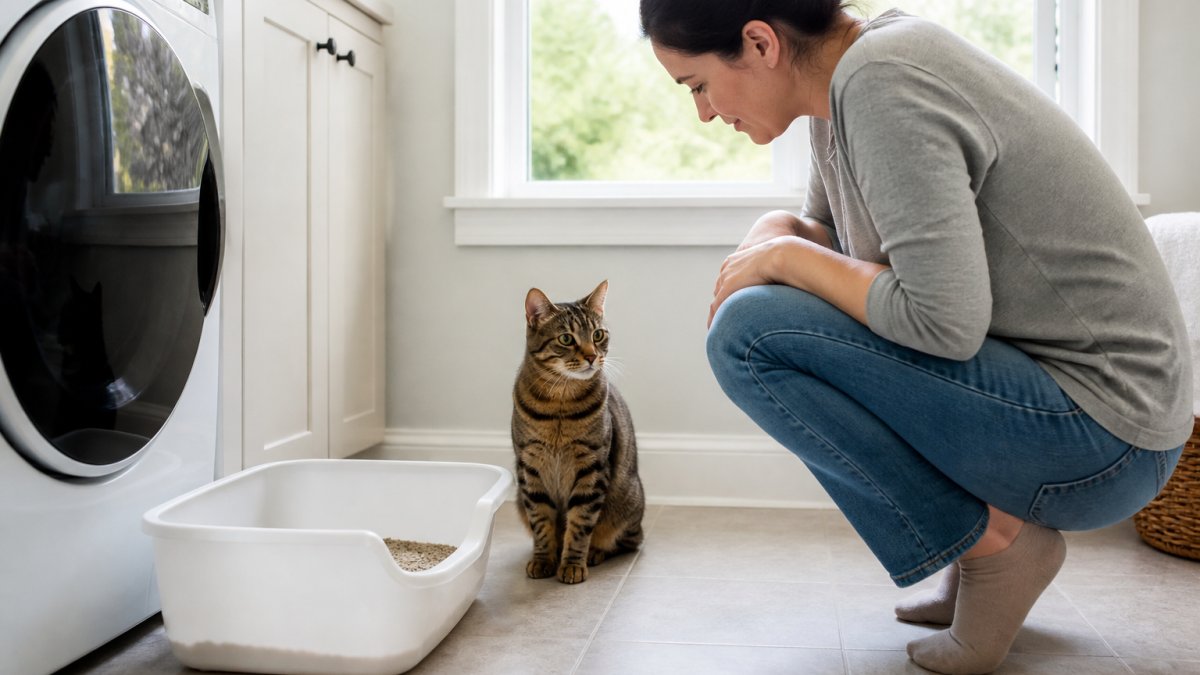
If several of these appear together, a vet visit is the right first step. New kitten owners can also compare these signs against common kitten health issues to tell gut trouble apart from other concerns.
Common Prebiotic Ingredients and Fiber Sources for Cats
Prebiotic ingredients are not interchangeable. They differ in fermentation speed, which bacteria they feed, and how much fiber a cat tolerates before stools loosen.
The Main Prebiotic Fibers You Will See on Cat Food Labels
- Inulin and fructooligosaccharides (FOS). Fermentable, soluble fibers and the most studied prebiotics in small animals. Inulin is a longer-chain fiber extracted from chicory root; FOS is a shorter-chain version that ferments faster, feeding beneficial bacteria quickly but causing gas if overdone. FOS is the prebiotic most often added to feline therapeutic and sensitive-stomach diets.
- Mannanologosaccharides (MOS). A yeast-derived fiber included less for feeding bacteria and more for binding certain pathogens and supporting the intestinal immune barrier. It shows up often in products marketed for immune and digestive support.
- Psyllium husk. A mostly soluble, gel-forming fiber (Psyllium is a natural nonfermented gel-forming fiber that is effective for weight loss). Not a classic prebiotic since it ferments slowly, but widely used to normalize stool consistency in cats with loose stools or constipation, a stool regulator first, a bacteria feeder second.
- Beet pulp. A moderately fermentable fiber common in cat foods that provides fermentable substrate for the colon while adding bulk.
- Chicory root. The raw plant source that inulin and FOS are usually extracted from. When a label lists chicory root rather than purified inulin, the fiber dose is less predictable.
- Pumpkin and other food-based fibers. Gentle options owners use at home. Pumpkin offers mixed soluble and insoluble fiber, but a spoonful is small compared with a formulated diet, so it is a supportive add-on rather than a prebiotic dose.
What the Differences Actually Mean for Your Cat
How the fiber is listed also matters. Crude fiber percentage does not distinguish fermentable prebiotic fiber from indigestible bulk, and a label listing "chicory root" or "dried beet pulp" without a quantity tells you nothing about the prebiotic dose. Purified ingredients such as inulin or FOS with a stated inclusion level are easier to evaluate.
Daily Probiotic Support for Dogs – Gut & Digestive Health →
Food Versus Supplements: Which Route Makes Sense
For a fiber-friendly base diet, see our guide to the best wet food for cats with digestive issues.
A Label-Reading Checklist
- Find the specific fiber name, not just the word "prebiotic."
- Check whether an inclusion level or guaranteed analysis is stated.
- Note whether the product pairs prebiotics with probiotics (a synbiotic) or lists them separately.
- Prefer a clear, single-purpose fiber if you are introducing prebiotics for the first time.
- Be skeptical of front-of-pack claims that do not match the ingredient panel.
How to Improve Cat Digestive Health: Food, Supplements, and Safe Introduction
Watch out: overloading fiber too quickly can cause gas and loose stools, so start low and increase only after a week of stable stools. For a vet-informed starting point, our vet-approved cat digestive health tips walk through the practical steps before you add prebiotics.
Side Effects, Cautions, and What the Research Actually Shows
Most cats tolerate prebiotic fiber well, but "well tolerated" is not the same as "no effect." Knowing what to expect, who needs caution, and how strong the evidence is keeps you from over-reading a label or missing a problem.
Common, Usually Temporary Side Effects
Less common but worth watching: vomiting after a new supplement, refusal of a food with added fiber, and constipation if a gel-forming fiber like psyllium is given without enough water. Cats are sensitive to texture and smell, so a food switch can cause refusal even when the fiber is fine.
Cats That Need Veterinary Guidance First
- Cats with inflammatory bowel disease or other chronic enteropathies, where fiber type and dose may interact with treatment.
- Cats with diabetes, because fiber can affect appetite and food intake and the overall diet needs to stay consistent.
- Cats with a history of digestive surgery or known intestinal disease.
- Cats already on multiple supplements or medications, to avoid overlap and interactions.
- Kittens and senior cats, whose nutritional needs and tolerance differ from healthy adults.
What the Research Actually Supports
- Better supported: prebiotic fibers feed beneficial bacteria and increase short-chain fatty acid production in the colon, and fermentable fiber can influence stool quality. These are well-established mechanisms across species and are the basis for most feline prebiotic use.
- Reasonably supported but variable: improvements in stool consistency and reduced occasional digestive upset. Results depend on the fiber, the dose, the cat, and the starting diet, so outcomes are not guaranteed.
- Less certain in cats: specific immune benefits, effects on inflammation, and long-term health outcomes. These are plausible and actively studied, but large feline trials are limited, so treat strong marketing claims with caution.
How to Read a Dose Claim
A product stating the fiber type and inclusion level is easier to evaluate than one listing a proprietary blend. Be wary of dosing instructions copied from dog products, since cats are smaller and more sensitive to fiber changes. When a dose is unclear, start at the low end of any stated range and increase only after a week of stable stools.
A Simple Monitoring Framework
- Stool consistency: formed, pick-up-able stools are the goal; note any softening or firming.
- Frequency: how often your cat uses the litter box and whether that changes.
- Appetite: steady interest in food rather than increased pickiness.
- Digestive symptoms: gas, gurgling, vomiting, or hairballs, and whether they rise or fall.
- Energy and coat: subtle but useful signals of overall comfort.
Choosing a Prebiotic or Probiotic for Your Cat at Furbabies4less
Our catalog leans toward vet-informed picks. Every purchase also helps support animal rescues, which is central to how we operate.
Frequently Asked Questions
How long does it take to see improvements in cat gut health after starting prebiotics?
Most owners notice small changes in stool consistency and litter-box habits within one to two weeks, though the gut microbiome takes longer to settle. Give any new prebiotic at least three to four weeks before judging results, and introduce it gradually over five to seven days to avoid digestive upset. Track stool quality, appetite, and energy in a simple note so you can compare week one to week four. If nothing changes after a month, or if symptoms worsen, talk to your veterinarian about other causes.
How do prebiotics vs probiotics for cats differ, and do cats need both?
Prebiotics are fermentable fibers such as inulin and fructooligosaccharides that feed the beneficial bacteria already living in the gut. Probiotics are live microorganisms that add new bacteria. Prebiotics support the bacteria your cat already has, while probiotics introduce more. Many cats do well with a synbiotic approach that combines both, since the fiber helps the live cultures establish. Look for a product that lists both prebiotic fiber and named bacterial strains on the ingredient label, and introduce it slowly.
What are the signs of poor gut health in cats, and can prebiotics help with diarrhea or constipation?
Watch for loose or hard stools, gas, vomiting, reduced appetite, weight loss, dull coat, and litter-box accidents. Prebiotics can support stool consistency by feeding beneficial bacteria and supporting fiber fermentation, which produces short-chain fatty acids that nourish the intestinal lining. That said, persistent diarrhea or constipation can signal inflammatory bowel disease, parasites, or food sensitivity. See your veterinarian for diagnosis before adding supplements, and use prebiotics as part of a broader digestive plan rather than a standalone fix.
Are there any side effects of adding prebiotics to a cat's diet?
Mild gas and softer stools are the most common issues, usually when a prebiotic is introduced too fast or dosed too high. Start with a quarter of the suggested amount and increase over a week. Cats with certain conditions, such as diabetes or a history of gastrointestinal disease, should have any new supplement cleared by a veterinarian first. Avoid products with added sugars or artificial flavorings, and check the ingredient label for a clearly stated fiber source and dose.
Your cat's gut won't fix itself overnight, and guessing at fiber types wastes time your pet doesn't have. Furbabies4less curates vet-informed supplies with transparent ingredients, affordable pricing, and a rescue-inspired care philosophy, so you can support digestion with confidence. Get started with Furbabies4less and give your cat the gut support that makes everything else easier.

