

Safe Ingredients for Sensitive Dog Skin
Table of Contents
- Understanding Sensitive Skin in Dogs
- Essential Fatty Acids and Skin Barrier Support
- Dog Shampoo Ingredients to Avoid
- Natural Remedies for Dog Skin Allergies
- The Role of Diet in Supporting Skin Health
- Signs of Food Allergies in Dogs
- Choosing Safe, Gentle Products for Your Dog
- Frequently Asked Questions
Last Updated: September 23, 2026
Understanding Sensitive Skin in Dogs
Sensitive skin in dogs manifests as redness, itching, flaking, or excessive scratching, often triggered by allergens, environmental factors, or nutritional deficiencies. The condition signals that your dog's skin barrier, the protective layer that keeps irritants out and moisture in, isn't functioning optimally.
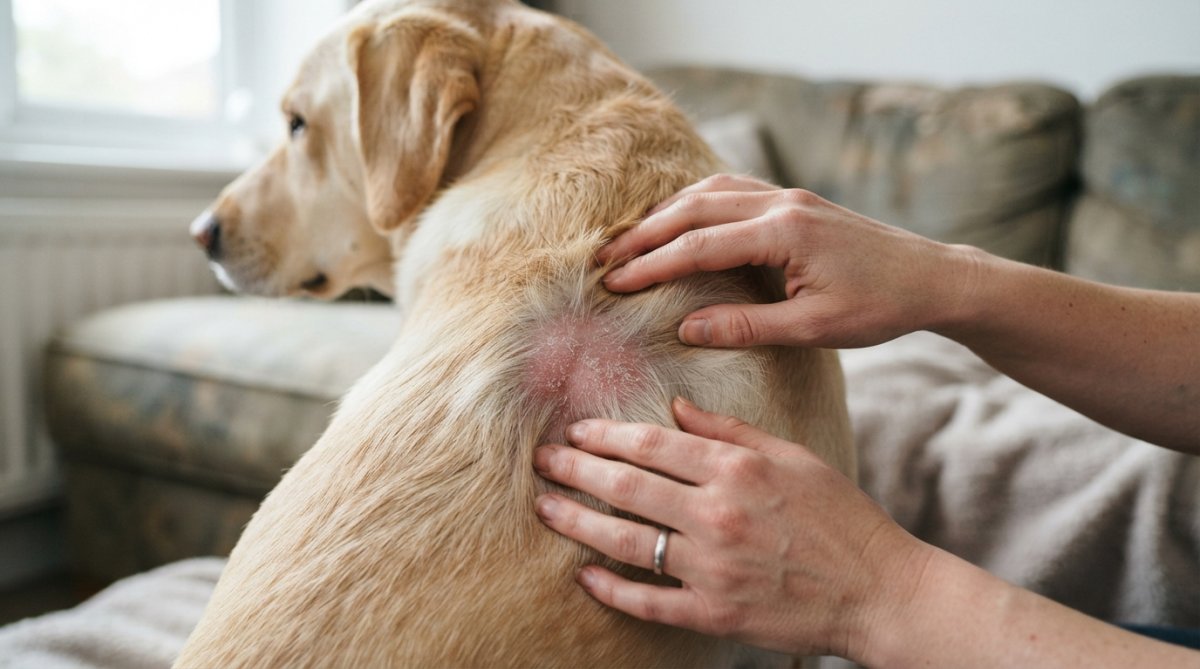
The skin barrier comprises lipids, proteins, and the microbiome working together to maintain health. When this barrier weakens, allergens penetrate more easily, triggering inflammation. Understanding safe ingredients for sensitive dog skin is essential for recovery and comfort.
Breed-Specific Skin Sensitivities
Atopic breeds (Labrador Retrievers, Golden Retrievers, German Shepherds, Bulldogs, West Highland White Terriers) inherit compromised skin barrier function and produce fewer lipids, requiring aggressive nutritional and topical support.
Food-sensitive breeds (Cocker Spaniels, Springer Spaniels, Boxers) have genetic predisposition to mount immune responses against specific food proteins, requiring early dietary management and careful ingredient selection.
Yeast-prone breeds (Basset Hounds, Shar-Peis, Poodles) require antifungal-supporting ingredients and environmental management like humidity control and regular skin fold cleaning.
Seborrhea-prone breeds (Cocker Spaniels, Maltese Terriers) need products that balance sebum production rather than strip oils entirely.
Mixed-breed dogs can inherit sensitivity from either parent, so understanding the breeds in your dog's background helps predict risk. If your rescue dog's breed history is unknown, watch for early signs of sensitivity and implement preventative care proactively.
Untreated sensitivity often worsens, leading to secondary infections and behavioral issues. Targeted nutrition and the right product ingredients can restore skin health from the inside out.
Essential Fatty Acids and Skin Barrier Support
Omega-3 and Omega-6 fatty acids rebuild the lipid barrier and reduce inflammation systemically at a cellular level rather than just soothing surface symptoms.
Dogs must obtain these fatty acids from diet or supplementation. Omega-3s (fish oil, flaxseed) combat inflammation; Omega-6s (chicken fat, sunflower oil) support skin structure. Balance matters, look for products providing both in appropriate ratios.
A weakened barrier allows allergens, bacteria, and environmental triggers to penetrate easily. Essential fatty acids strengthen the keratinocyte layer, reducing vulnerability. Most dogs show visible improvements within 2-4 weeks of consistent supplementation.
The Furbabies4less Dog Itch Relief Supplement combines essential fatty acids with nutrients to support skin hydration and reduce inflammation from within.

Dog Shampoo Ingredients to Avoid
Synthetic fragrances penetrate the skin and trigger allergic responses even in dogs without known sensitivities, providing zero therapeutic benefit.
Sulfates strip natural oils from skin and coat, leaving the barrier vulnerable. Sulfate-free formulations clean effectively without this damage.
Artificial dyes serve no purpose for your dog's skin and increase sensitivity risk. Parabens and chemical preservatives can accumulate and trigger delayed reactions.
Look for products labeled pH-balanced; dog skin is naturally more acidic than human skin, and alkaline shampoos disrupt the microbiome.
Ingredients to actively avoid:
- Sodium lauryl sulfate and sodium laureth sulfate
- Artificial fragrances and perfumes
- Artificial dyes and colorants
- Parabens and phthalates
- Alcohol (especially denatured alcohol)
- Mineral oil (occlusive, prevents skin breathing)
Read ingredient lists carefully, the first five ingredients carry the most weight. If you see sulfates, synthetic fragrance, or dyes, move on regardless of marketing claims.
Natural Remedies for Dog Skin Allergies
Natural remedies support the body's healing mechanisms by calming irritated skin with antioxidants and anti-inflammatory compounds.
Colloidal oatmeal soothes irritation and reduces inflammation. Many dogs benefit from oatmeal-based baths 2-3 times weekly during flare-ups.
Dog Itch Relief Supplement for Skin →
Hypoallergenic formulations using plant-based oils (coconut, jojoba, olive) nourish the skin barrier. Coconut oil has mild antimicrobial properties that help prevent secondary infections.
Hydrolyzed protein breaks down into smaller units that penetrate without triggering allergic responses, allowing skin to absorb amino acids for barrier repair.
Aloe vera soothes inflammation, but always verify it's safe for topical use on dogs, some formulations include additives that can be harmful. Pure aloe without added chemicals is preferable.
Regular bathing removes pollen and dust before they penetrate the skin. Wiping paws after outdoor time prevents allergen accumulation.
The Role of Diet in Supporting Skin Health
Nutritional deficiency in protein, vitamins, and minerals directly manifests as skin problems. Skin cells regenerate constantly, requiring steady amino acid supply to rebuild the barrier.
Named meat sources (chicken, beef, fish) provide complete amino acid profiles, the building blocks for keratin, collagen, and elastin.
Vitamins A, E, and B-complex support skin cell turnover and immune function.
Transitioning to Sensitive-Skin Diets: A Step-by-Step Protocol
Abrupt dietary changes trigger skin flare-ups. The transition process matters as much as the destination diet, a rushed switch can temporarily worsen symptoms.
Extended Transition for Highly Sensitive Dogs If your dog has a history of severe digestive upset or skin flare-ups, extend the protocol to 14 days total:
- Days 1-3: 20% new, 80% old
- Days 4-6: 40% new, 60% old
- Days 7-10: 60% new, 40% old
- Days 11-14: 80% new, 20% old
- Days 15+: 100% new
Managing Flare-Ups During Transition
If your dog experiences increased itching or digestive upset during transition, don't immediately revert to the old diet. Instead:
- Pause at the current ratio for 3-4 additional days before advancing to the next step.
- Add a probiotic supplement formulated for dogs to support beneficial bacteria colonization. Look for products containing Lactobacillus and Bifidobacterium species.
- Increase omega-3 supplementation temporarily to reduce systemic inflammation during the adjustment period.
- Avoid additional dietary changes during transition. Don't introduce treats, table scraps, or new supplements that could complicate the picture.
- Contact your veterinarian if symptoms persist beyond 7-10 days or worsen significantly. Some dogs have true food intolerances that require medical management.
Elimination Diets for Identifying Food Allergens
Some dogs benefit from elimination diets to identify food allergens triggering skin responses. Common culprits include chicken, beef, wheat, and corn, though any protein or grain can trigger sensitivity in susceptible dogs. An elimination diet removes suspected allergens for 8-12 weeks, then reintroduces them systematically to identify the trigger.
Signs of Food Allergies in Dogs
Food allergies present differently than environmental allergies, though symptoms overlap. Itching that's year-round and affects the face, ears, paws, and underarms suggests food sensitivity rather than seasonal environmental triggers.
Watch for these specific signs:
- Itching that doesn't respond to seasonal changes
- Chronic ear infections or yeast overgrowth
- Excessive paw licking or chewing
- Face rubbing or chin rubbing
- Recurring hot spots in the same areas
- Digestive upset alongside skin symptoms
Choosing Safe, Gentle Products for Your Dog
Selecting products for sensitive skin requires reading beyond marketing claims. Look for third-party testing certifications and ingredient transparency. Brands that publish full ingredient lists and explain their sourcing are more trustworthy than those using vague descriptions.
Frequently Asked Questions
What ingredients are good for dogs with skin allergies?
Omega-3 and omega-6 fatty acids, hydrolyzed protein, and botanical extracts like oatmeal and aloe vera are beneficial for dogs with skin allergies. These ingredients support the skin barrier, reduce inflammation, and soothe irritation. High-quality proteins help maintain skin integrity, while essential fatty acids strengthen the lipid barrier. Look for products specifically formulated with these components, and introduce them gradually to monitor your dog's response.
What ingredients should I avoid in dog shampoos and topical products?
Avoid synthetic fragrances, sulfates, artificial dyes, and harsh cleansing agents that can strip the skin's natural oils and disrupt the microbiome. Parabens and phenols may trigger allergic responses in sensitive dogs. Instead, choose pH-balanced formulas designed for sensitive skin. Read ingredient labels carefully and opt for products with minimal additives. If your dog has known sensitivities, consult your veterinarian before introducing new grooming products.
How can I tell if my dog has signs of food allergies?
Common signs include excessive scratching, licking paws, hot spots, chronic ear infections, and skin inflammation or dermatitis. You may also notice dull coat quality, dander, or gastrointestinal upset. Food allergies often cause an immune system response that manifests as skin issues. If you suspect food allergies, work with your veterinarian to identify trigger ingredients and transition to an elimination diet or hypoallergenic formula with novel protein sources.
How long does it take to see improvement in my dog's skin health?
Most dogs show noticeable improvement within 2-4 weeks of consistent use of quality supplements and dietary changes, though some may take 6-8 weeks for significant results. Topical products like gentle shampoos may provide immediate relief from itching. Skin barrier repair happens gradually as essential fatty acids and nourishing ingredients build up in the system. Be patient and maintain consistency; sudden changes in diet or products can sometimes worsen symptoms temporarily.
Can I use natural remedies instead of veterinary products for my dog's sensitive skin?
Natural remedies like oatmeal baths, coconut oil, and botanical extracts can support skin health and provide soothing relief, but they work best as part of a comprehensive approach alongside proper nutrition and veterinary guidance. Severe cases of dermatitis, allergic reactions, or infections require professional diagnosis and treatment. DIY solutions are safest for mild irritation or maintenance; always consult your veterinarian before relying solely on home remedies, especially if your dog shows signs of infection or severe inflammation.
What role does protein quality play in managing sensitive dog skin?
High-quality, easily digestible proteins support skin health by providing amino acids needed for skin barrier repair and collagen production. Hydrolyzed proteins are broken down into smaller molecules, making them easier for sensitive digestive systems to absorb. Poor-quality or excessive protein can trigger inflammation and allergic responses. Look for named meat sources (chicken, fish, lamb) rather than generic 'meat meal,' and consider novel proteins like venison or duck if your dog has known beef or poultry sensitivities.
