

Best Vet-Recommended Pet Feeders for Healthy Eating
Table of Contents
- What Vets Actually Look For in Pet Feeders
- Best Automatic Pet Feeders for Portion Control and Digestion
- Top Slow Feeder Options: Preventing Bloating and Vomiting
- Best Automatic Pet Feeders with Microchip Access Control
- Pet Feeder Cleaning and Food Safety Standards
- How to Choose the Right Feeder for Your Pet's Needs
- When a Feeder Isn't Enough: Signs Your Pet Needs Veterinary Care
- Frequently Asked Questions
Last Updated: October 10, 2026
What Vets Actually Look For in Pet Feeders
When veterinarians recommend vet recommended pet feeders, they evaluate measurable outcomes tied to digestive health, behavioral safety, and long-term wellness.
Eating Speed and GDV Prevention Veterinarians prioritize feeders that slow consumption because rapid eating directly increases the risk of gastric dilatation-volvulus (GDV), a life-threatening emergency where the stomach twists on itself.
Portion Accuracy and Weight Management Automatic and portion-controlled feeders allow veterinarians to prescribe exact daily calorie amounts, which is essential for pets with obesity, diabetes, or metabolic disease.
Food Safety and Contamination Prevention Veterinarians assess whether a feeder design prevents bacterial growth, mold, and food spoilage. Feeders with crevices, poor drainage, or materials that absorb moisture create environments where pathogens multiply.
Behavioral and Anxiety Considerations Vets recognize that anxiety-driven fast eating and food guarding are behavioral health issues, not just feeding habits.
Material Safety and Durability Veterinarians ask whether feeder materials are non-toxic, free of BPA and phthalates, and resistant to damage. Cracked or degraded bowls create sharp edges and harbor bacteria in microscopic fractures.
The best vet-recommended feeders share a common trait: they make mealtime work harder for your pet while maintaining food safety and allowing precise portion tracking.
Best Automatic Pet Feeders for Portion Control and Digestion
Portion control is where automatic feeders shine. Unlike traditional bowls, programmable feeders dispense exact amounts at set times, eliminating the guesswork around how much your pet actually needs. This precision matters especially for weight management and metabolic conditions.
The Smart Slow Puzzle Feeder Bowl for Dogs & Cats ($25.99) combines portion control with mental enrichment. Its maze-like design forces pets to work around ridges and channels to reach food, slowing eating by up to 10 times compared to a flat bowl. This dual function, controlled portions plus deliberate pacing, is why many vets recommend puzzle feeders for pets prone to bloating or anxiety-driven fast eating.

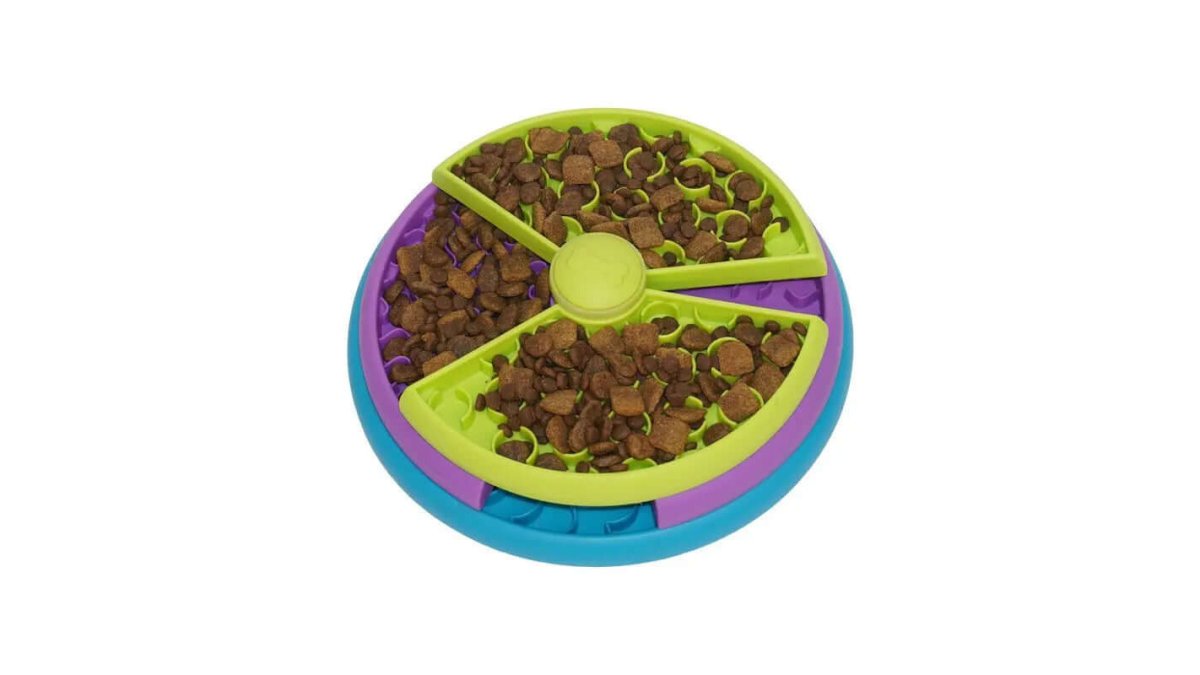
For dogs with severe digestive issues, the Digestive Health Slow Feeder Bowl for Dogs ($19.99) offers straightforward texture-based slowing without complexity. The anti-skid suction base locks it in place, preventing enthusiastic eaters from pushing the bowl around during meals. Dishwasher-safe construction means you can maintain food safety standards easily between feedings.
Top Slow Feeder Options: Preventing Bloating and Vomiting
Bloating and vomiting after meals signal that eating pace is the problem. Slow feeders address this directly by forcing pets to work for every bite. The texture-based approach creates physical resistance that prevents gulping.
The Digestive Health Slow Feeder Bowl uses ridged patterns that dogs must navigate, reducing air intake during meals. Less gulped air means less gas production and less post-meal discomfort. For breeds prone to GDV, Labs, Golden Retrievers, German Shepherds, and any deep-chested dog, this single change can help reduce vomiting episodes.
Puzzle Bowl Design for Mental Enrichment
Puzzle bowls serve double duty: they slow eating while engaging your pet's problem-solving instincts. The Smart Slow Puzzle Feeder Bowl turns mealtime into a cognitive challenge. Pets must rotate, nose, and strategically lick around obstacles to access food, which satisfies the natural foraging drive dogs and cats have.
Mental stimulation during meals reduces anxiety-related behaviors. Anxious pets often eat too fast as a stress response, and giving their brain something to focus on can help calm them.
Lick Mats and Suction Bowls for Anxiety Relief
Lick mats work through a different mechanism entirely. Repetitive licking triggers endorphin release in the brain, creating a calming effect similar to what a dog experiences during a long walk. The Dog Slow Feeder Lick Mat ($19.99) sticks to any smooth surface using suction, turning mealtime into an anxiety-management tool.

This approach can help during stressful situations: bath time, grooming, thunderstorms, or vet visits. Spread peanut butter, yogurt, or wet food across the mat, stick it to the wall, and your pet can experience a calming effect while you handle what needs to be done. The suction base prevents sliding, which keeps pets engaged longer.
The Suction Lick Bowl for Dogs ($19.75) combines suction stability with a lick-mat design. For multi-pet households or dogs that need calming during grooming, this hybrid approach offers flexibility, use it flat for licking or angle it slightly for slower feeding.
Best Automatic Pet Feeders with Microchip Access Control
Automatic feeders serve a different purpose than manual slow feeders: they enforce meal timing and portion access rather than slowing eating pace. Understanding when each type is appropriate is essential for choosing the right tool.
When Automatic Feeders Are Medically Necessary Automatic feeders can be beneficial in specific scenarios where manual feeding isn't feasible or safe.
Microchip-activated feeders open only when the correct pet's microchip is detected, preventing one animal from eating another's portion. This is especially important when one pet needs calorie restriction for weight management while a housemate can eat freely.
Automatic Feeders vs. Slow Feeders: Different Problems, Different Solutions Automatic feeders control when and how much a pet eats. Slow feeders control how fast a pet eats. These address different health issues:
Digestive Health Slow Feeder Bowl for Dogs – Stop Bloating & Gulping →
- Use automatic feeders if: Your pet needs strict portion control for weight management, diabetes, or kidney disease; you have multiple pets on different diets; your pet requires medication timed with meals; you work long hours and cannot feed manually at consistent times.
- Use slow feeders if: Your pet gulps food and vomits; your pet is prone to bloating or GDV; your pet shows anxiety-driven fast eating; your pet needs mental enrichment during meals.
Combining both an automatic feeder that dispenses the correct portion at the correct time, paired with a slow-feed bowl design, can help a pet eat at a healthy pace. This dual approach ensures both portion accuracy and digestive safety.
Microchip Feeder Limitations Microchip feeders require that each pet be microchipped and registered with the feeder manufacturer. They also require batteries or electrical power, adding maintenance and potential failure points.
For households where manual feeding is possible, slow feeders alone often resolve eating-pace problems without the cost and complexity of automatic systems.
Pet Feeder Cleaning and Food Safety Standards
Food safety directly impacts digestive health. Bacteria growth in bowls and feeders can trigger vomiting, diarrhea, and gastric upset. It is recommended to wash bowls daily with hot soapy water and air dry completely before refilling.
All Furbabies4less feeders and bowls are dishwasher-safe, which simplifies this process. The Enrichment Licking Plate ($21.28), Interactive Lick Ball ($3.74), and all slow feeder options can go directly into the dishwasher, eliminating hand-washing hassle. For pets with compromised immune systems or sensitive stomachs, this convenience can support compliance with safety protocols.

Silicone and non-toxic plastic materials used in our products don't harbor bacteria the way porous ceramics sometimes do. Check for any cracks or damage before each use, damaged bowls create pockets where bacteria hide.
How to Choose the Right Feeder for Your Pet's Needs
Selecting the right feeder depends on your pet's specific challenges. Start by identifying the primary problem: Is your pet eating too fast? Does anxiety drive mealtime behavior? Does your pet need mental stimulation?
For fast eaters with bloating: Choose a textured slow feeder like the Digestive Health Slow Feeder Bowl or Smart Slow Puzzle Feeder Bowl.
For anxious pets during grooming or stressful events: Lick mats and suction bowls work best, the repetitive licking calms the nervous system.
For bored, high-energy dogs: The Enrichment Licking Plate provides mental engagement that reduces destructive behavior between walks.
For multi-pet households with different dietary needs: Microchip feeders offer the best access control, though manual feeders work if you can feed pets separately.
| Feeder Type | Best For | Price Range | Key Benefit |
|---|---|---|---|
| Textured Slow Feeder | Fast eaters, bloating prevention | $19.99-$25.99 | Reduces eating speed by 10x |
| Puzzle Feeder | Mental enrichment, anxiety | $25.99 | Engages problem-solving instincts |
| Lick Mat | Grooming anxiety, calming | $19.99-$21.28 | Triggers endorphin release |
| Suction Bowl | Grooming + feeding, stability | $19.75 | Prevents sliding on smooth surfaces |
| Interactive Ball | Multi-pet homes, enrichment | $3.74 | Works for dogs and cats |
Consider your pet's age and physical condition too. Puppies benefit from slow feeders that teach healthy eating habits early. Senior pets with dental issues may prefer softer food on a lick mat rather than navigating a puzzle bowl.
When a Feeder Isn't Enough: Signs Your Pet Needs Veterinary Care
A feeder can help slow eating and reduce bloating, but it's not a cure-all. Certain symptoms signal underlying health issues that require veterinary attention.
Watch for persistent vomiting even after switching to a slow feeder, this may indicate food allergies, inflammatory bowel disease, or other digestive disorders. Chronic diarrhea, weight loss despite normal eating, or reluctance to eat altogether warrant a vet visit. If your pet shows signs of distress after meals (panting, restlessness, abdominal tension), it's important to seek veterinary attention, as this could be a sign of a serious condition like GDV.
Anxiety-related fast eating sometimes reflects deeper behavioral or medical issues. If your pet remains anxious even with enrichment and calming feeders, discuss further options with your veterinarian.
Choosing the right pet feeders can make a tangible difference in your pet's daily comfort and long-term health. At Furbabies4less, we've curated slow feeders, lick mats, and enrichment bowls designed with veterinary principles in mind, products that slow eating, support digestion, and reduce anxiety through evidence-based design. Every purchase also supports animal rescues, so you're investing in both your pet's wellness and the rescue animals in your community.
Frequently Asked Questions
What type of pet feeder do veterinarians recommend?
Veterinarians typically recommend slow feeders and portion-controlled bowls, especially for dogs prone to bloating, vomiting, or fast eating. Textured surfaces, puzzle designs, and lick mats that extend mealtime reduce the risk of gastric dilatation-volvulus (GDV) and improve digestion. For multi-pet homes or pets with weight concerns, portion-control feeders help maintain healthy eating routines. The best vet-recommended pet feeders combine durability, easy cleaning, and non-toxic materials suitable for daily use.
Do veterinarians recommend automatic pet feeders for portion control?
Yes, automatic pet feeders with portion control can be recommended for pets that need scheduled meals and consistent serving sizes. An automatic pet feeder with portion control is especially valuable for weight management, diabetic pets, and households with multiple animals. These feeders dispense measured amounts at set times, preventing overeating and helping maintain stable blood sugar levels. However, automatic feeders work best when combined with slow-feeding design to prevent rapid consumption and associated digestive issues.
How often should I clean my pet's feeder?
It is recommended to wash your pet's feeder daily, especially for wet food or moisture-prone designs. Dishwasher-safe feeders should be cleaned after each meal to prevent bacterial growth, mold, and food spoilage. For lick mats and puzzle feeders, rinse thoroughly after use and allow to air dry completely before refilling. Weekly deep cleaning with hot water helps eliminate residue buildup. Proper feeder hygiene directly impacts your pet's digestive health and prevents foodborne illness.
Are automatic pet feeders good for pets with anxiety or destructive behavior?
Automatic pet feeders can help manage anxiety when combined with enrichment features like slow-feeding or puzzle designs. Lick mats and textured bowls can help trigger calming endorphin release through repetitive licking, making them potentially effective for anxious pets during grooming, bath time, or alone periods. However, feeders alone may not resolve severe anxiety, they can work as part of a broader behavior management plan that includes exercise, training, and veterinary guidance. For rescue pets or those with trauma histories, slow feeders provide both mental stimulation and digestive support.
What is the best automatic feeder for cats?
The best automatic pet feeders for cats feature portion control, quiet operation, and designs that accommodate feline eating preferences. Puzzle feeders and slow bowls work well for cats that eat too quickly or need mental enrichment. Interactive lick balls are suitable for both cats and dogs, offering 3D enrichment that keeps cats mentally engaged longer than flat mats. Choose feeders with non-slip bases and easy-to-clean components. Cats benefit from scheduled feeding routines that prevent overeating and support healthy digestion.
