

Managing Dog Digestive Health Issues: A 2026 Guide
Table of Contents
- Recognizing the Signs of Digestive Distress in Dogs
- Common Causes Behind Dog Digestive Health Issues
- When to See a Vet for Dog Vomiting and Other Red Flags
- A Bland Diet for Dogs Recipe to Calm an Upset Stomach
- Probiotics for Dog Gut Health: How They Restore Balance
- Everyday Habits That Prevent Recurring Tummy Troubles
- Frequently Asked Questions
Last Updated: September 29, 2026
Recognizing the Signs of Digestive Distress in Dogs
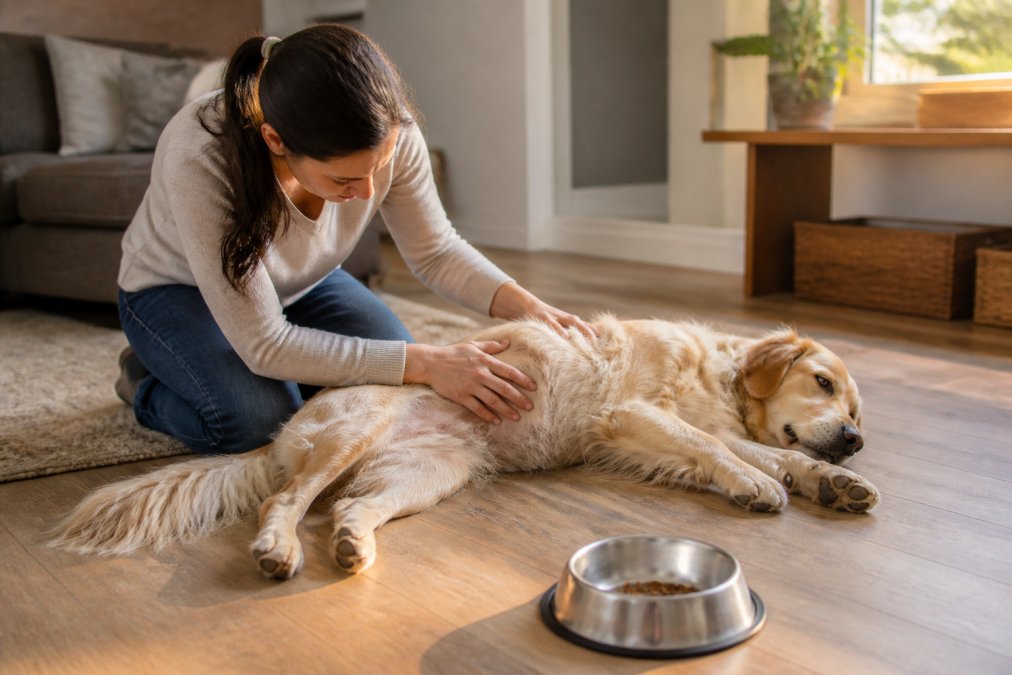
Dog digestive health is the foundation of your pet's overall wellness, and recognizing early warning signs can prevent minor stomach upset from becoming a serious veterinary emergency. This guide from Furbabies4less walks you through the full picture, from symptoms and causes to a practical bland diet for dogs recipe and daily gut support.
Symptoms That Signal a Gut Problem
Watch for these common signs of digestive distress:
- Vomiting, especially recurring or bile-stained
- Diarrhea or changes in stool consistency
- Appetite loss or refusal to eat
- Lethargy and reduced interest in play
- Excessive gas, bloating, or stomach gurgling
- Weight loss over weeks despite normal eating
A single soft stool after a new treat is rarely cause for alarm. Repeated vomiting, blood in the stool, or a dog who refuses food for more than a day needs professional attention.
Breed-Specific Digestive Predispositions
Some breeds carry higher digestive risk than others. Deep-chested dogs like Great Danes, Standard Poodles, and Weimaraners face elevated risk of gastric dilatation-volvulus, a life-threatening emergency. Labrador Retrievers and Golden Retrievers are prone to dietary sensitivity and obesity-related gut issues. German Shepherds and Boxers frequently develop chronic inflammatory bowel disease.
Common Causes Behind Dog Digestive Health Issues
Most cases of stomach upset trace back to a handful of culprits. Dietary indiscretion (eating garbage, table scraps, or a foreign object) tops the list. Sudden food changes, food allergies, bacterial imbalance, and parasites rank close behind.
Medication Side Effects and Environmental Stressors
Antibiotics commonly disrupt gut flora by wiping out beneficial bacteria alongside the infection they target. NSAIDs and some heartworm preventives can irritate the stomach lining. Less obvious is the gut-brain axis: stress from thunderstorms, boarding, a new baby, or a move triggers real gastrointestinal symptoms.
When to See a Vet for Dog Vomiting and Other Red Flags
Most guides hand you a list of scary symptoms and leave you to guess. A better approach is to sort what you are seeing into three buckets, emergency now, call today, or monitor at home, because the right response depends on how many signs are stacked together and how long they have lasted.
Emergency: Go Now, Do Not Wait
Load the dog and drive to an emergency clinic if you see any of these:
- Unproductive retching or dry heaving, especially with a swollen or hard abdomen, this is the classic presentation of bloat (gastric dilatation-volvulus), which can kill within hours
- A distended, drum-tight abdomen
- Collapse, pale or white gums, or a dog who cannot stand
- Blood in vomit or stool, or black, tarry stool
- Suspected ingestion of a toxin (chocolate, xylitol, grapes, raisins, antifreeze, rodenticide) or a foreign object (socks, toys, bones)
- Vomiting more than twice in 24 hours in a puppy, senior, or dog with a chronic condition
Call Your Vet Today
These signs are not automatically an ER trip, but they should not wait until next week:
- Vomiting two or more times in 24 hours in an otherwise alert adult dog
- Diarrhea lasting more than 24-48 hours, or diarrhea with blood or mucus
- Refusing food for more than 24 hours
- Lethargy combined with any digestive sign
- Known or suspected exposure to a toxin, even if the dog seems fine right now
- Any digestive sign in a dog already being treated for a chronic condition
Monitor at Home
A single soft stool after a new treat, one episode of vomiting after eating too fast, or mild gas with normal energy and appetite usually resolves on its own. Offer water, skip the next treat, and watch for 12-24 hours. If things worsen or do not improve, move up to the next bucket.
The Age and Health Multiplier
Puppies dehydrate fast and have little reserve. Seniors often mask pain and may have underlying organ disease. Dogs on NSAIDs, steroids, or antibiotics can develop stomach ulcers or gut disruption that looks like ordinary upset. For any of these groups, shift every decision one bucket toward caution, what is a "monitor at home" case for a healthy three-year-old is often a "call today" case for a puppy or a senior.
What Your Vet Will Likely Do
Knowing the process reduces panic. A typical workup starts with a physical exam, weight, and hydration check, then fecal testing for parasites and a blood panel to rule out organ causes. Depending on findings, your vet may recommend abdominal imaging, a prescription GI diet, anti-nausea medication, or a probiotic.
A Bland Diet for Dogs Recipe to Calm an Upset Stomach
A bland diet for dogs recipe is simple: boiled plain chicken or lean ground turkey combined with plain white rice, usually in a 1:2 protein-to-rice ratio. Skip seasoning, oil, and butter entirely.
Basic recipe:
- 1 cup boiled, shredded chicken (no bones, no skin)
- 2 cups cooked white rice, well rinsed
- Optional: 2-3 tablespoons plain canned pumpkin
Transitioning Back to Regular Food Safely
Abrupt switches trigger new upset. Over 5-7 days, gradually mix increasing amounts of regular food into the bland base. Start at 25% regular food, then 50%, then 75%, before returning fully. If symptoms return at any stage, step back and slow down.
Daily Probiotic Support for Dogs – Gut →
Probiotics for Dog Gut Health: How They Restore Balance
Probiotics for dog gut health work by reintroducing beneficial bacteria that illness, antibiotics, or diet changes have depleted. Strains like Bacillus subtilis, Bifidobacterium, and Saccharomyces cerevisiae support the microbiome, improve nutrient absorption, and reduce gas and loose stools.
Everyday Habits That Prevent Recurring Tummy Troubles
Prevention is not one habit, it is a stack of small routines that keep the gut microbiome stable, the meal pace slow, and the stress load low. Most recurring tummy trouble traces back to a disruption in one of those three areas, and most of it is fixable at home.
Feed on a Schedule, Not on Demand
Dogs thrive on routine. Two measured meals a day at roughly the same times keeps stomach acid and digestive enzymes on a predictable cycle and makes it obvious when appetite drops. Free-feeding hides early warning signs and encourages overeating. Measure with the same cup every time so you actually know how much your dog eats.
Transition Diets Over 7-10 Days, Not Overnight
Abrupt food changes are one of the most common causes of self-inflicted diarrhea. The gut microbiome needs time to shift. A safe transition looks like this:
- Days 1-2: 75% old food, 25% new food
- Days 3-4: 50% old, 50% new
- Days 5-6: 25% old, 75% new
- Days 7-10: 100% new food
Match Fiber Type to the Problem
Fiber is not one thing. Soluble fiber, the kind in plain canned pumpkin, psyllium, and oat bran, absorbs water and firms up loose stool. Insoluble fiber, the kind in wheat bran and some vegetable matter, adds bulk and can help constipation but may worsen diarrhea if used at the wrong time.
Slow the Meal, Protect the Stomach
Fast eaters swallow air, which causes gas, bloating, and, in deep-chested breeds, raises the risk of bloat. A slow-feeder bowl or a lick mat spreads a meal from under a minute to several minutes and reduces air intake. For dogs who gulp, split the daily ration into three or four smaller meals rather than two large ones.

Keep Water Clean and Available
Chronic mild dehydration slows gut motility and concentrates stool. Dogs often drink more from moving water than from a still bowl, so a fountain can meaningfully raise daily intake, especially for picky drinkers. Refresh bowls daily and bring water on walks and trips, a dog who only drinks at home may go hours without water on travel days.
Treat Stress as a Gut Issue
The gut-brain axis is real: anxiety and environmental stress trigger physical digestive symptoms in dogs with no dietary cause at all. Thunderstorms, fireworks, boarding, a move, a new baby, or a change in household routine can all produce appetite loss and loose stools.
- Keep feeding and walk times consistent during upheaval
- Give a safe space (crate, quiet room) during loud events
- Use calming aids, pheromone diffusers, pressure wraps, or vet-recommended calming chews, before the stressor, not after
- Ask your vet about a referral to a veterinary behaviorist for chronic anxiety
Watch What Comes In From Outside
Table scraps, garbage raids, and rich human food are the leading causes of acute upset. Keep trash secured, warn guests not to share, and introduce new treats one at a time so you can identify the culprit if something goes wrong. A treat diary for a few weeks is tedious but often reveals the one food that keeps causing problems.
Build a Baseline You Can Compare Against
You cannot spot a problem if you do not know what normal looks like. Note your dog's typical stool consistency, appetite, energy, and weight every few weeks. When something changes, you will know how far off it is and how fast to act.
Frequently Asked Questions
What can I give a dog for digestive issues?
Start with a bland diet of plain boiled chicken and white rice, offered in small portions several times a day. Plain canned pumpkin (not pie filling) can help firm loose stools. A daily probiotic supplement supports the gut microbiome and can reduce gas, bloating, and loose stools. Withhold treats and table scraps until stools return to normal. If symptoms last more than 24 to 48 hours, or your dog stops drinking, call your veterinarian.
What are the common signs of digestive distress in dogs?
Watch for vomiting, diarrhea, gas, bloating, loss of appetite, lethargy, and changes in stool consistency. Some dogs also show weight loss, a dull coat, or discomfort when you touch their belly. Occasional soft stool after a diet change is normal, but repeated vomiting, blood in the stool, or a dog that refuses food for more than a day signals a bigger problem. Track when symptoms started and what your dog ate so your vet has a clear picture.
When should I contact a veterinarian about my dog's stomach issues?
Call your vet if vomiting or diarrhea lasts more than 24 hours, if your dog vomits blood or has black, tarry stools, if the abdomen looks swollen or feels hard, or if your dog is lethargic, panting, or pacing. Puppies, senior dogs, and dogs with chronic illness need faster intervention. A dog that cannot keep water down or shows signs of pain needs same-day care. When in doubt, a phone call costs nothing and can rule out serious conditions.
Are there natural ways to support a dog's gut microbiome?
Yes. Probiotics and prebiotics feed the good bacteria in the gastrointestinal tract, and fiber supplementation from pumpkin or psyllium adds bulk to stool. Digestive enzymes, like the papain and pumpkin powder found in soft chews, help break down food so nutrients absorb better. Slow feeders reduce gulped air that causes bloating. Fresh water from a filtered fountain encourages drinking, which supports hydration and gastrointestinal motility. These habits work best as daily routines, not one-time fixes.
How do I transition my dog to a new food without causing stomach upset?
Switch foods over seven to ten days. Mix 25 percent new food with 75 percent old for the first few days, then move to 50/50, then 75 percent new, then all new. If loose stools appear, slow the pace and hold at the current ratio for a few extra days. Dogs with food allergies or dietary sensitivity may need a longer transition. Adding a probiotic during the switch helps stabilize gut flora and reduces gas or bloating.
