

Best Budget-Friendly Grooming Tools for Double-Coated Dogs
Table of Contents
- Why Double-Coated Dogs Need the Right Tools (and What They Cost)
- Quick Comparison: Budget Grooming Tools for Double-Coated Breeds
- The Best Deshedding Tool for Double-Coated Dogs Under $20
- The Best Brush for Double-Coated Dogs: Matching Tool to Coat Type
- How Often to Groom a Double-Coated Dog
- How to Groom a Double-Coated Dog at Home Without Damaging the Guard Hairs
- Budget Tiers: Building a Complete Grooming Kit for Under $100
- Frequently Asked Questions
Last Updated: October 19, 2026
Why Double-Coated Dogs Need the Right Tools (and What They Cost)
Double-coated dog grooming gets expensive fast when you buy the wrong tools first. A double coat has two distinct layers: a soft, dense undercoat that insulates and sheds heavily, and longer guard hairs that form the topcoat and protect the skin (Double-Coated Dog Breeds: Care, Grooming, and Shedding).
At Furbabies4less, we built our grooming lineup around that two-layer reality, because most shedding problems come from owners fighting the coat instead of working with it. The good news: a workable kit does not require salon money.
Quick Comparison: Budget Grooming Tools for Double-Coated Breeds
Every tool in this guide is one we sell, listed with its actual price so you can plan a kit without guesswork. Here is the short version before the detail.
| Tool | Price | Primary Job | Best For |
|---|---|---|---|
| Electrostatic Pet Hair Remover Glove | $12.99 | Lifts loose fur from furniture and clothes | Cleanup after brushing |
| 3-in-1 Gentle Steam Brush | $18.99 | Loosens tangles and dead fur while brushing | Daily upkeep on most coats |
| LED Pet Nail Clippers | $23.22 | Nail trims with a light showing the quick | Dark nails, nervous first-timers |
| Low-Noise Pet Grooming Trimmer | $24.99 | Trimming paw pads, face, and sanitary areas | Anxious dogs, between salon visits |
| SafeGlow Nail Clippers | $27.99 | Nail trims with an LED light and safety guard | Wiggly pets, complete kits |
| BrushFlow 2-in-1 Pet Dryer Brush | $44.99 | Drying and detangling in one pass | Bath days on thick coats |
| CalmFlow Pet Dryer | $64.99 | Low-noise, adjustable drying | Noise-sensitive dogs and cats |
The pattern worth noticing: the two tools that do the most shedding work cost the least. Drying equipment is where budgets stretch, and only if your dog gets bathed at home.

The Best Deshedding Tool for Double-Coated Dogs Under $20
The best deshedding tool for double-coated dogs under $20 is the 3-in-1 Gentle Steam Brush at $18.99. It combines steam, brushing, and detangling in one pass, and it is gentle enough for sensitive skin and fine fur. For most owners, that is the single highest-value purchase in this guide.
How the 3-in-1 Gentle Steam Brush Handles Loose Undercoat
Steam softens the coat, which makes tangles easier to work through without pulling. As you brush, the tool loosens and removes dead fur rather than just smoothing the surface.
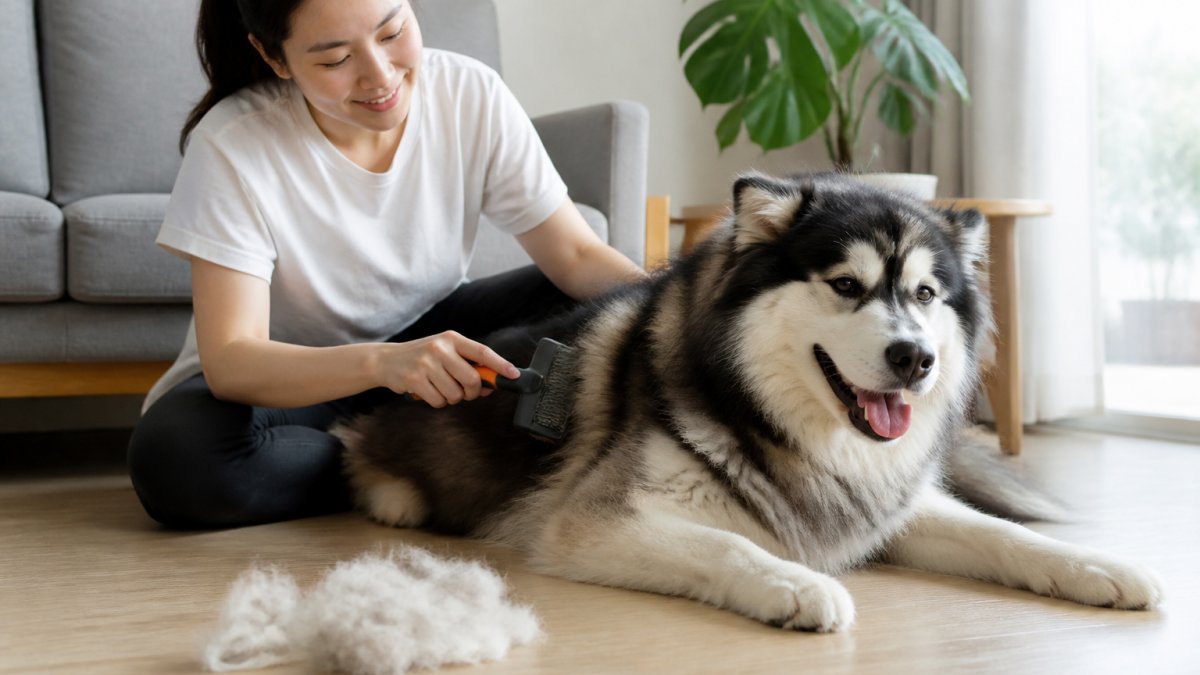
A common mistake is pressing hard to "get more hair." Light, repeated strokes do the job. Let the tool lift the dead undercoat instead of scraping at the skin.
The Best Brush for Double-Coated Dogs: Matching Tool to Coat Type
The best brush for double-coated dogs depends on coat length and texture, not on brand loyalty. Short double coats need tools that reach the dense undercoat. Long-haired coats need detangling first, then undercoat removal, then a finishing pass.
Slicker, Rake, or Pin Brush: What Each One Does
- Undercoat rake: Reaches the dense undercoat to pull out dead hair. Best on short double coats and heavy seasonal shedding.
- Slicker brush: Fine wires separate tangles and smooth the topcoat. Best on medium and long coats, used gently.
- Pin brush: Longer, spaced pins work through longer fur and finish the coat without scratching skin.
For a long-haired double coat, start with a slicker to break up tangles, follow with an undercoat rake, and finish with a pin brush. For a short double coat, the rake does most of the work and the steam brush handles upkeep. Whatever the coat type, keep pressure light over the guard hairs so the topcoat stays intact.
How Often to Groom a Double-Coated Dog
Most double-coated dogs need brushing two to three times a week, and daily during seasonal shedding. Double coats blow twice a year, typically in spring and fall, when the undercoat releases in volume. Outside those windows, a lighter routine keeps tangles from forming.
A practical schedule:
- Weekly baseline: Two to three brushing sessions of 10 to 15 minutes.
- Shedding season: Daily sessions, five to ten minutes, focused on the undercoat.
- After baths: Dry thoroughly, because damp undercoat mats quickly.
Consistency beats intensity. Short, frequent sessions are easier on the dog and easier on your back than one long marathon.
How to Groom a Double-Coated Dog at Home Without Damaging the Guard Hairs
Home grooming works when you protect the topcoat and target the undercoat. Guard hairs are coarser and slower to regrow, so damage there shows for months.
- Start calm. Let the dog settle and reward relaxed behavior before you pick up a tool.
- Check for tangles. Run your fingers through the coat. Work out knots with a slicker before using any rake.
- Brush in the direction of hair growth. Short strokes, light pressure, small sections.
- Reach the undercoat, not the skin. The tool should glide just under the topcoat.
- Clear the tool often. Remove collected fur so it keeps lifting loose hair.
- Finish with a comb check. If the comb passes through cleanly, you are done.
- Stop when the dog says stop. Fidgeting and lip-licking are early stress signals.
Pressure, Stroke Direction, and Session Length
The difference between grooming and damaging a coat comes down to three things: how hard you press, which way you stroke, and how long you go.
3-in-1 Gentle Steam Brush for Pet Grooming & Cleaning →
- Pressure: Light enough that the tool glides, not scrapes. If you can see the skin move under the tool, you are pressing too hard. Let the teeth or bristles lift dead undercoat instead of digging for it.
- Stroke direction: Work in the direction the hair grows, in short strokes. Going against the grain can lift undercoat, but only in brief, controlled passes on the areas that shed most. Long back-and-forth strokes against the grain break guard hairs and irritate skin.
- Session length: Ten to fifteen minutes is plenty for a routine session. During shedding season, five to ten minutes daily beats one long marathon. Stop before the dog gets tired, not after.
Warning Signs to Stop
Watch for these signals and end the session when you see them:
- Skin looks pink or red where you have been brushing.
- The dog flinches, pulls away, or tucks the tail.
- Lip-licking, yawning, or turning the head away are early stress signals.
When to Stop Home Grooming and Call a Professional
Some coats are beyond a home kit. Call a professional groomer or your veterinarian if you see:
- Severe matting that pulls the skin or cannot be worked out with a slicker and comb.
- Skin problems such as redness, sores, or a bad smell under the coat.
- A dog that will not tolerate handling even after slow introduction, especially if the coat is already matted.
For anxious dogs, the Low-Noise Pet Grooming Trimmer at $24.99 keeps paw pads and sanitary areas tidy without the salon trip, and its quiet motor suits noise-sensitive pets.

Budget Tiers: Building a Complete Grooming Kit for Under $100
You can build a complete double-coated dog grooming kit for under $100 by buying in order of shedding impact. Start with the tools that remove the most loose hair, then add drying and trimming gear as your routine grows.
| Tier | Tools Included | Total Cost |
|---|---|---|
| Starter | Steam Brush + Hair Remover Glove | $31.98 |
| Core | Starter + LED Nail Clippers | $55.20 |
| Full | Core + Low-Noise Trimmer | $80.19 |
| Bath Day | Full + BrushFlow Dryer Brush | $125.18 |
The Starter tier covers the daily work: loosening dead undercoat and cleaning up what lands on the sofa. The Core tier adds nail care, which most owners skip until a nail splits.

What Budget Really Means: Cost Per Use and Lifespan
A low sticker price is not the same as good value. The tools that earn their keep are the ones you reach for every week and that hold up over years. Here is how the math works in practice.
- Steam brush ($18.99): Used two to three times a week, it is the workhorse of the kit. Most owners replace a brush like this only when the bristles or steam element wear out, which is typically after a year or more of regular use. Spread over a year of weekly sessions, the cost per use is pennies.
- Hair remover glove ($12.99): The cheapest tool in the kit and the one that saves the most on lint rollers and furniture cleanup. It has no motor and no blades, so there is little to break.
- Nail clippers ($23.22): Nail trims every three to four weeks mean about 13 to 17 uses a year. A decent pair stays sharp for years if you do not cut through thick nails at an angle. Dull clippers crush rather than cut, so replace them when the cut feels like a squeeze.
Where to Save and Where to Spend
The pattern worth noticing: the two tools that do the most shedding work cost the least. Drying equipment is where budgets stretch, and only if your dog gets bathed at home. A complete starter kit at $31.98 covers the core job for most double-coated dogs. Add nail care when you are ready to trim at home, and add trimming or drying gear only when your routine actually calls for it.
For puppies, introduce one tool at a time and keep sessions short. For seniors, watch for sore joints and support the dog's weight while you work.
Frequently Asked Questions
What is the best deshedder for double-coated dogs on a budget?
A steam-assisted brush like the 3-in-1 Gentle Steam Brush at $18.99 is a strong budget pick because the gentle steam softens the coat and loosens dead fur before the bristles lift it away. It is listed as safe for all coat types, including sensitive skin, so it works on both short and long double coats. Pair it with a metal undercoat rake during seasonal shedding for the best results, and brush in the direction of hair growth to protect the guard hairs.
How often should a double-coated dog be groomed?
Most double-coated dogs need a 10 to 15 minute brushing session two to three times per week to keep loose hair under control. During seasonal shedding in spring and fall, increase that to daily sessions until the blowout slows. Nails typically need trimming every three to four weeks, and ears should be checked weekly. Adjust frequency based on coat length and how much time your dog spends indoors.
Can I shave my double-coated dog to reduce shedding?
Shaving a double-coated dog is not recommended. The undercoat and guard hairs work together to insulate against heat and cold, and shaving can disrupt regrowth so the coat comes back patchy or coarser. It also removes the guard hairs that protect the skin from sun. Instead, remove loose undercoat with a deshedding tool or undercoat rake, which reduces shedding without cutting the coat. If matting is severe, ask a professional groomer before reaching for clippers.
Which brush works best for a double-coated dog?
The best brush depends on coat length. A slicker brush works well for loosening tangles and surface loose hair on medium and long coats, while an undercoat rake reaches deeper to pull out dead undercoat on thick, short double coats like Huskies and German Shepherds. A pin brush is gentler for finishing and for dogs with sensitive skin. Many owners keep two tools: a rake for shedding season and a slicker or steam brush for weekly upkeep.
What grooming tools do you need for a double-coated dog?
A basic kit includes a deshedding brush or undercoat rake, a slicker brush, nail clippers with a safety light, and a low-noise dryer if your dog gets frequent baths. The SafeGlow Nail Clippers at $27.99 include an LED light and safety guard to help avoid cutting the quick. Add the Electrostatic Pet Hair Remover Glove at $12.99 for furniture cleanup. A full starter kit can be built for under $100, and each tool lasts for years with basic cleaning.
